
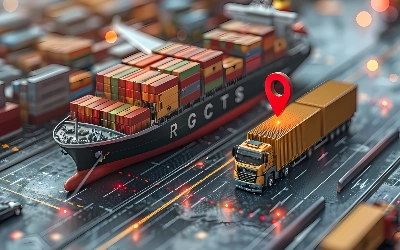
If you are new to the topic or want a broader understanding of how freight forwarding works in Australia, begin with our main editorial guide covering shipping methods, customs, freight costs, documentation, and logistics strategy.
Freight forwarders Australia play an important role in connecting businesses with the transport, documentation, and coordination required to move goods efficiently across domestic and international supply chains. Their role goes beyond arranging freight. They help manage shipping methods, cargo planning, timing, paperwork, and the operational flow that keeps shipments moving through ports, airports, warehouses, and delivery networks.
In Australia, freight forwarding matters because logistics is shaped by long interstate distances, global trade links, customs processes, and varied cargo requirements. A well-structured freight operation depends on more than transport alone. It depends on clear planning, the right shipping mode, accurate documentation, and reliable coordination from origin to destination. This is why freight forwarding remains a central part of modern shipping and logistics strategy across Australia.

A complete editorial guide to freight forwarders in Australia, covering shipping methods, logistics services, customs clearance, freight documents, costs, and smarter cargo planning.
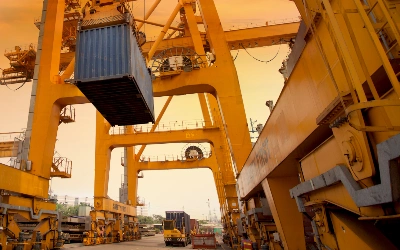
Interstate delivery, cargo coordination, regional logistics, and time-sensitive freight movement.
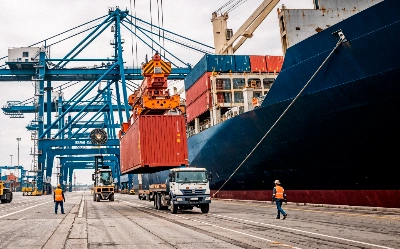
Import and export freight, shipment planning, route selection, and cross-border cargo management.
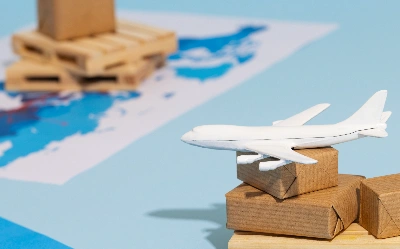
Practical comparisons between speed, cost, shipment type, and logistics suitability.
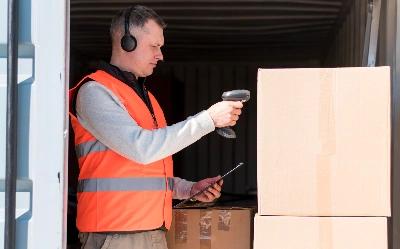
Clearance stages, border processes, shipment preparation, and common delay points.

Bills of lading, air waybills, invoices, packing lists, declarations, and supporting paperwork.
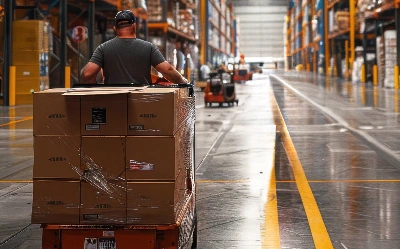
Chargeable weight, freight pricing logic, delivery variables, and landed cost thinking.

Freight forwarding sits at the center of cargo movement, supply chain continuity, and shipment reliability. In Australia, where freight often moves across long domestic distances and through international trade routes, businesses depend on strong coordination between transport, documentation, customs, and delivery. Understanding freight forwarding is not only useful for logistics professionals. It is also essential for importers, exporters, wholesalers, distributors, and businesses that rely on consistent stock movement.

James McWhae is a freight industry analyst focused on freight forwarders in Australia, logistics systems, shipping methods, customs processes, and cargo movement. He writes clear, practical editorial content designed to make complex freight topics easier to understand.
Freight forwarding in Australia involves far more than moving cargo from one place to another. It requires coordination across transport modes, documentation, customs procedures, delivery schedules, and supply chain planning.